
I have been shooting a bow long enough to remember when archery seemed a whole lot simpler. You bought a bow, bought some arrows, and hopefully found somebody who knew more than you did to help you get everything set up. Then you shot. You missed some, learned some, got better and kept shooting. Somewhere along the way, though, I think we decided we needed to make this a whole lot more complicated.
Spend enough time around archery today and pretty soon we’re talking about front-of-center percentages, dynamic spine, paper tuning, bare-shaft tuning, walk-back tuning, arrow squaring, vane configurations, insert weights, point weights and cam timing. We can spend hours talking about a dozen arrows and why one of them weighs three grains more than another. Then we can move on to sights, releases, rests and everything else we can adjust, measure, tune or replace.
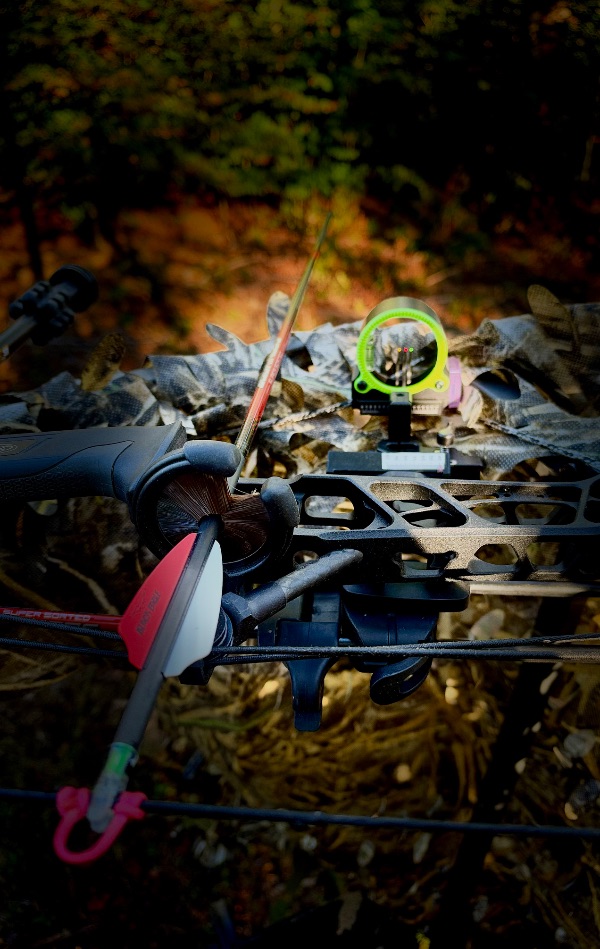
Before somebody sends me an email, I’m not saying any of that is bad. I like this stuff. I make part of my living around it, and I’m fortunate enough to have access to some of the best equipment in the world. Modern bows are incredible. So are today’s arrows, sights, broadheads and releases, and a lot of very smart people have spent their careers making all of it better. I want them to keep doing it.
What I wonder is whether we’ve gotten so interested in what our equipment can do that we’ve forgotten how simple shooting a bow can be. More importantly, I wonder what that looks like to the person standing outside our sport looking in.
The rifle side of the shooting world isn’t any different. Somebody asks what rifle he should buy to hunt deer and five minutes later we’re explaining ballistic coefficients, sectional density, twist rates, barrel harmonics, first versus second focal plane, MIL versus MOA and why the cartridge his grandfather used successfully for 50 years is apparently no longer capable of killing a whitetail. The guy asked what rifle he should buy. He didn’t ask to defend a dissertation.
I’ve been reminded of this in my own shooting recently, and it came from one of the simplest things I’ve done in a long time. I decided I wanted to hunt squirrels with a handgun, so I bought a Ruger Single-Six in .22 Magnum, stuck with the open sights and gave myself a 10-yard limit. I jokingly call it “Minute of Squirrel,” but there was a serious purpose behind it. If I couldn’t consistently make that shot from a supported field position, I wasn’t going to hunt with it.
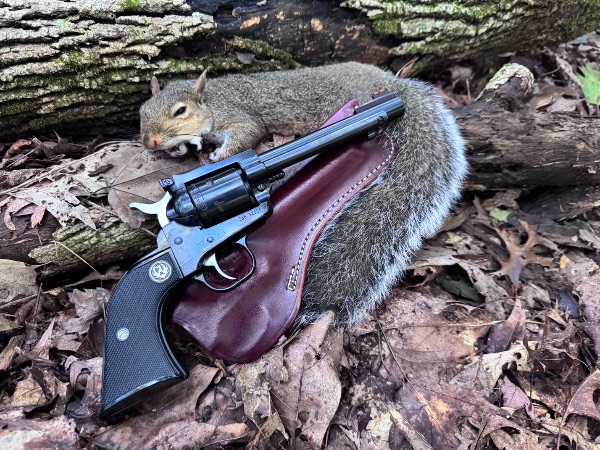
That little revolver has taken me right back to the basics - which reminds me:
As advanced as today's archery and shooting technology is, the most feedback we can get as shooters comes from the simplest tools.
Sight alignment, sight picture, grip, breathing, trigger control and follow-through suddenly matter a whole lot when there isn’t much between you and a very small target. There isn’t any magnification to help me see it better and there isn’t a turret to turn. If I pull a shot, I pulled it. If the sights weren’t aligned, they weren’t aligned. The revolver doesn’t give me many places to hide a mistake.
The funny thing is that it has paid off massively in the rest of my shooting. My technique is better because I went back and worked on the simple things again. That’s a little ironic considering the equipment I have available to me. I can shoot some of the finest rifles, optics and shooting systems being made today, yet an open-sighted .22 Magnum revolver and a squirrel sitting 10 yards away reminded me of something all that technology can occasionally allow us to forget.
Equipment can help us shoot better, but it can’t replace learning how to shoot - or PRACTICE.
Archery isn’t much different. A properly fitted bow matters. Correctly spined arrows matter. Good broadhead flight matters, and if you’re hunting, knowing your limitations matters more than almost anything else. There is also nothing wrong with the archer who wants to spend Saturday afternoon chasing the perfect tune or experimenting with different arrow setups. That’s part of the fun for a lot of us, and there is always something else to learn.
It just doesn’t have to be where everybody starts.
That’s especially important when we talk about bringing new people into archery, hunting and the shooting sports. We spend an enormous amount of time talking about recruitment and retention. We celebrate NASP, S3DA, youth shooting programs and every other effort putting bows and firearms into the hands of people who haven’t grown up around them. Then one of those new shooters eventually walks into a pro shop, shows up at a range or meets one of us and asks what they think is a simple question.
What happens next says a lot more about us than it does about them.
Do we want that person to feel welcome, or do we want that person to be impressed with how much we know? I think most of us mean well, but sometimes we’re answering the question we wish somebody had asked instead of the one they actually asked. We’ve all met the guy at the range or hunting camp who, when asked what time it is, explains how to build a watch. I’m sure I’ve been that guy a few times myself.
Think about the kid shooting a bow for the first time. That kid doesn’t care about FOC, cam timing or whether the arrows have been weight matched. They want to pull the string back, let an arrow go and hear it hit the target. More importantly, they want to do it again. We have plenty of time later to teach them everything else if they fall in love with it.
The same goes for a new hunter. Somebody wanting to hunt a whitetail at 80 yards doesn’t need to believe the price of admission is a $3,000 rifle, a $2,000 optic and a ballistics app. Give them a safe rifle that fits, an appropriate cartridge, decent ammunition and somebody patient enough to spend an afternoon at the range with them. Teach them how to shoot it safely and well, and then take them hunting. If they eventually want to learn about ballistic coefficients and dial turrets, we’ll have plenty to talk about around the campfire.
I don’t want any of this to sound like an argument against technology because it isn’t. The advancements we’ve seen in bows, firearms, ammunition, optics and accessories are remarkable, and I’ve benefited from them as much as anybody. I want the engineers to keep engineering, the tinkerers to keep tinkering and the competitive shooters to keep finding another tenth of an inch. That pursuit of better equipment and better performance moves all of us forward.
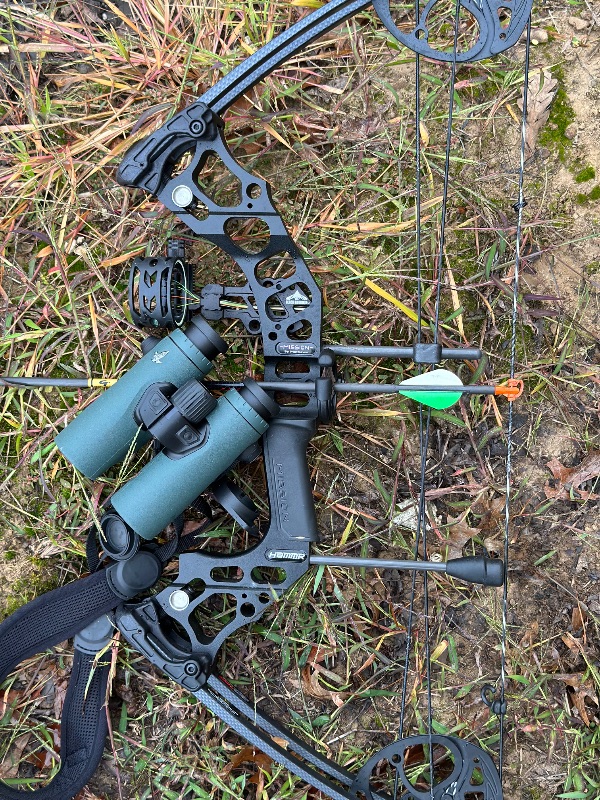
I just don’t think we should confuse how far we can take these sports with where somebody needs to start.
Maybe that’s the part those of us who have been doing this for decades need to remember. We didn’t know all of this when we started either. Somebody handed us a bow or a rifle, showed us what to do and gave us a chance to figure out why we loved it. The knowledge came later because we wanted more of it.
So when somebody new comes along, maybe we don’t need to show them everything we know. Maybe we just need to show them enough to get started, answer the question they actually asked and make sure they know they’re welcome.
If they shoot that first arrow, hear it hit the target and immediately reach for another one, we’ve done our job. There will be plenty of time for the complicated stuff later.
Jay Pinsky